Shortness of Breath
Breathlessness during activity, lying flat, or at night can signal fluid overload or weak pumping.

Heart failure means the heart cannot pump enough blood for the body’s needs. With early diagnosis, guided medicines, lifestyle support, and close follow-up, patients can still live active, meaningful lives.
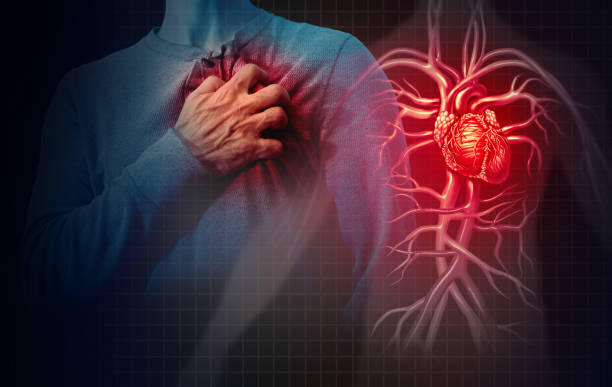
Heart failure is a heart condition where muscles in the heart fail to pump enough blood required for the body. Though it is a serious health condition, prompt monitoring, lifestyle changes, and treatment can bring out significant improvement in the overall health of the patient. The term failure may sound daunting, yet under expert cardiology care, many patients can recover function, reduce symptoms, and lead a fulfilling long life.
Heart failure can develop after heart attack, uncontrolled blood pressure, valve disease, rhythm disorders, or weakened heart muscle. Some patients notice symptoms slowly, while others experience sudden worsening after infection, excess salt intake, or missed medication. Regular follow-up and early intervention are important for stability.

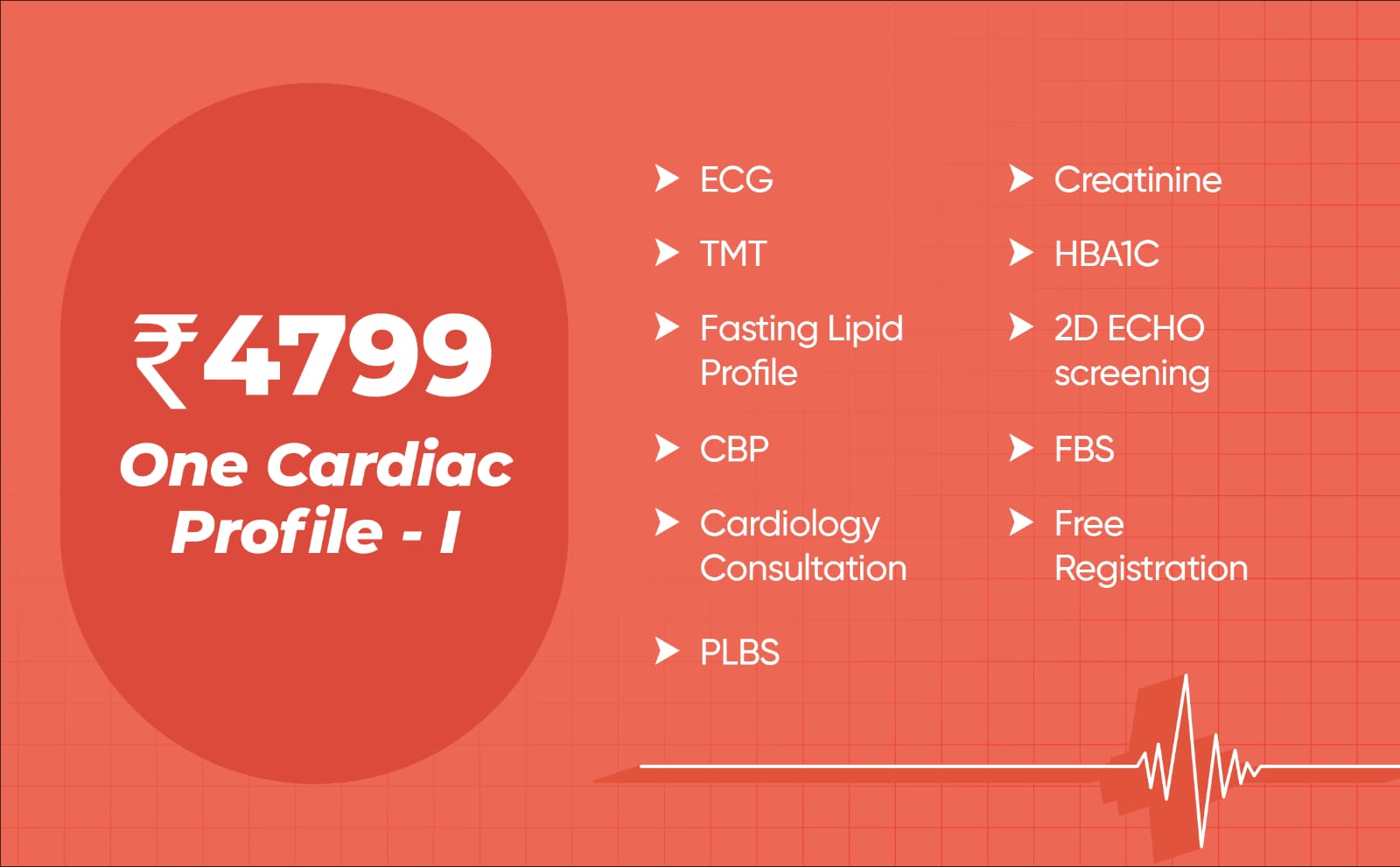
Breathlessness during activity, lying flat, or at night can signal fluid overload or weak pumping.
Fluid buildup may cause ankle, leg, or abdominal swelling and rapid weight gain.
Reduced blood flow can leave patients feeling tired with even light daily activities.
Persistent cough, wheeze, or waking up short of breath should be reviewed promptly.
ECG, echocardiogram, labs, and clinical review help determine severity and root cause.
Medicines are adjusted to improve pumping, reduce fluid overload, and protect the heart.
Salt control, activity guidance, sleep management, and symptom tracking support recovery.
Regular review ensures medicines stay effective and warning symptoms are not missed.
Heart failure is not one single disease. It is a syndrome that requires treatment of the underlying cause, close symptom monitoring, and a structured follow-up plan. Patients with valve disease, rhythm problems, cardiomyopathy, or post-heart-attack weakness may all benefit from tailored heart failure care.