Chest Pressure
Tightness, squeezing, or heaviness in the center of the chest is a classic symptom.

Angina pectoris is chest pain or discomfort caused by reduced blood flow to the heart muscle, often from narrowed coronary arteries. Correct diagnosis helps distinguish stable angina from unstable angina and guides timely treatment.

Angina is a clinical term for chest pain and discomfort that usually results from coronary artery disease, where narrowed coronary arteries limit blood flow to the heart muscle. It often feels like tightness, heaviness, pressure, or squeezing in the chest and may spread to the shoulders, neck, jaw, arms, or back.
Stable angina is often predictable and may last five to fifteen minutes or less, usually improving with rest. Unstable angina is less predictable, can be more severe, may last longer, and needs urgent medical attention because it may signal an impending heart attack.
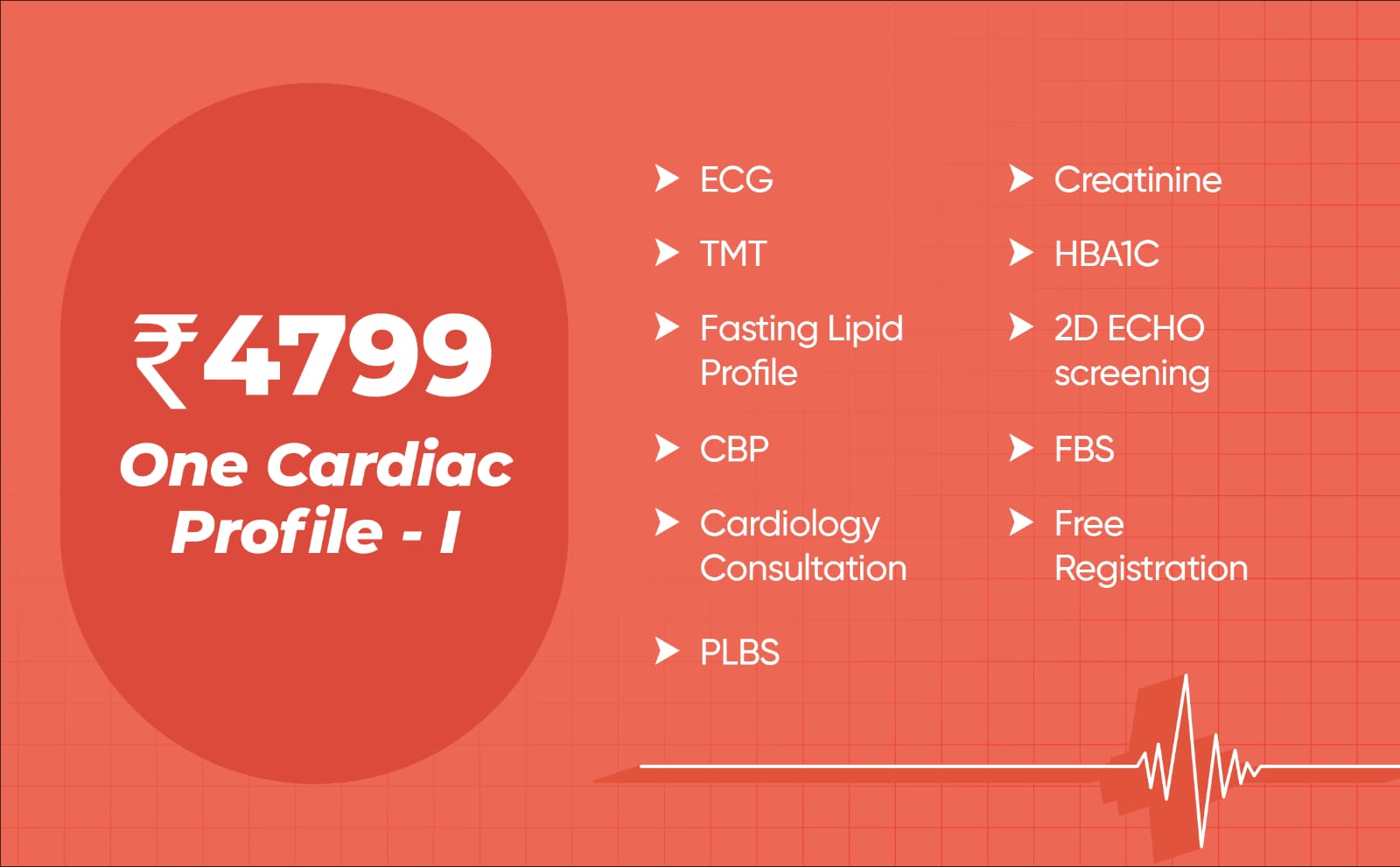
Angina can also be associated with fatigue, shortness of breath, sweating, nausea, dizziness, cold skin, anxiety, or fainting. ECG, echocardiography, stress testing, imaging, and coronary angiography may be used to identify the cause and severity.

Tightness, squeezing, or heaviness in the center of the chest is a classic symptom.
Discomfort can spread to the shoulder, jaw, neck, arm, or back.
Breathlessness may appear during exercise or even at rest in more serious cases.
Cold sweats, nausea, faintness, or weakness can accompany chest pain episodes.
Often triggered by exertion or stress and relieved by rest or prescribed medicine.
Can occur suddenly, last longer, and may happen at rest. This needs urgent evaluation.
Narrowed arteries reduce oxygen delivery to the heart muscle and provoke symptoms.
Worsening pain, new rest pain, or increasing frequency can signal a more serious event.
Angina pectoris is an important warning symptom of coronary artery disease. Early evaluation helps separate stable angina from unstable angina and identify patients who need medication, stress testing, coronary imaging, or angiography. Prompt treatment reduces the risk of heart attack and improves quality of life.
No. Angina is chest pain from reduced blood flow, while a heart attack involves actual heart muscle damage. Unstable angina can be a warning sign of a heart attack.
Yes. Many patients improve with medicines, lifestyle changes, and treatment of blocked arteries when needed.
Common triggers include exercise, stress, cold weather, heavy meals, smoking, and uncontrolled blood pressure or cholesterol.