Chest Pressure
Tightness, heaviness, or burning pain in the chest lasting more than a few minutes.

Our emergency pathway is designed for speed, precision, and safety, from first ECG to reperfusion treatment in a fully equipped cath lab.
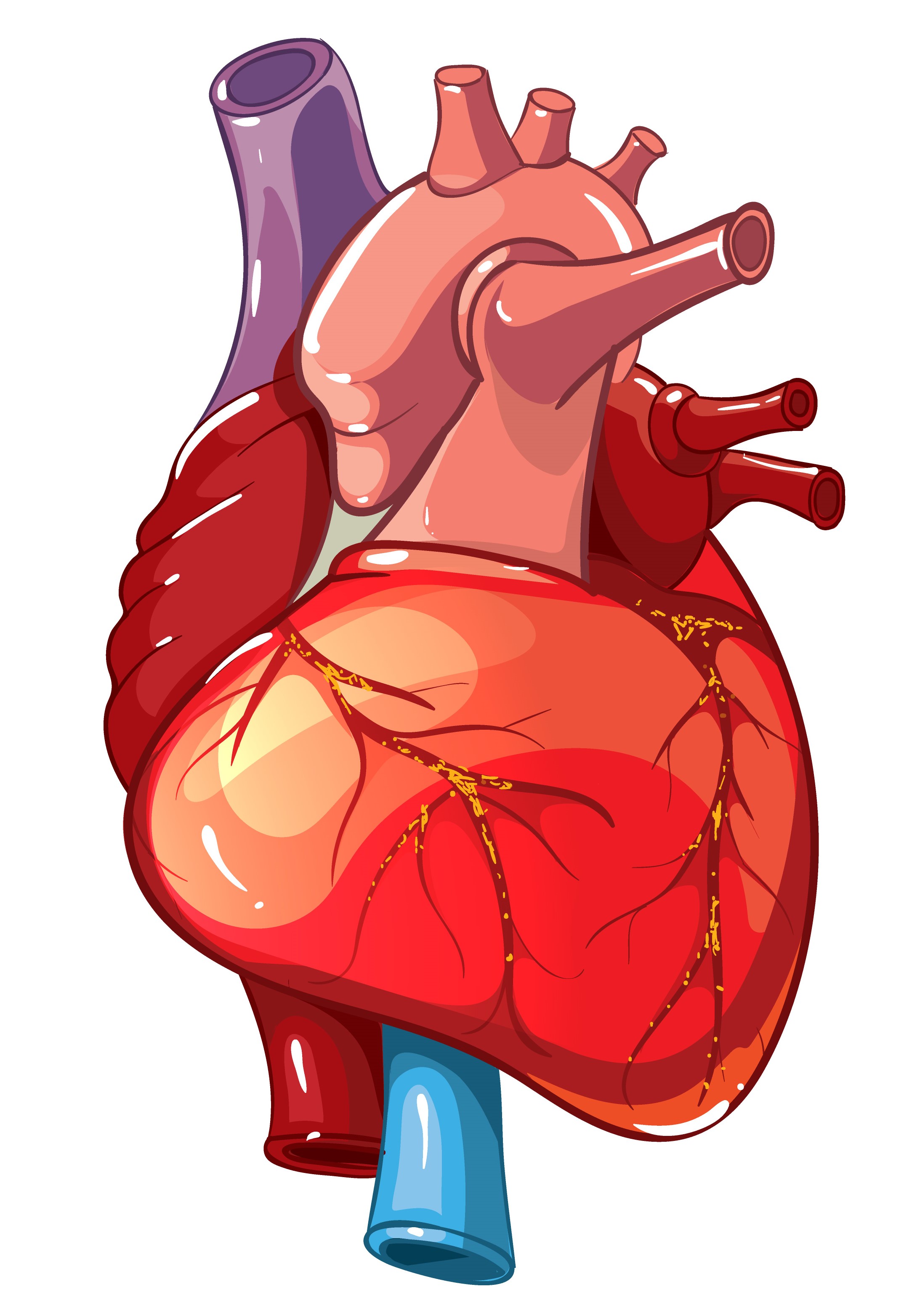
Heart attack is a medical emergency in which the blood supply to the heart is compromised. The blood vessels (coronary arteries) may be blocked due to plaque rupture (the rupture of hard and thick fatty deposits) and subsequent clot formation. It is important to have a healthy lifestyle to prevent such plaque build up which can lead to heart attack over a period of time. When undetected and untreated, heart attack can progressively increase death or damage to the heart muscle, a condition called as acute myocardial infarction.
Acute myocardial infarction or heart attack is commonly presented as symptoms of severe chest pain or discomfort that moves along the shoulder, arm, back, neck or jaw. This is a medical emergency and Dr Shiva Prasad's cardiac centre is equipped with international standards to deal with all forms of heart attacks.
Additional warning features may include excessive sweating, sudden breathlessness, nausea, unusual fatigue, or a sense of pressure in the upper chest. In diabetic and elderly patients, symptoms can be subtle, so early ECG and prompt specialist assessment are essential.

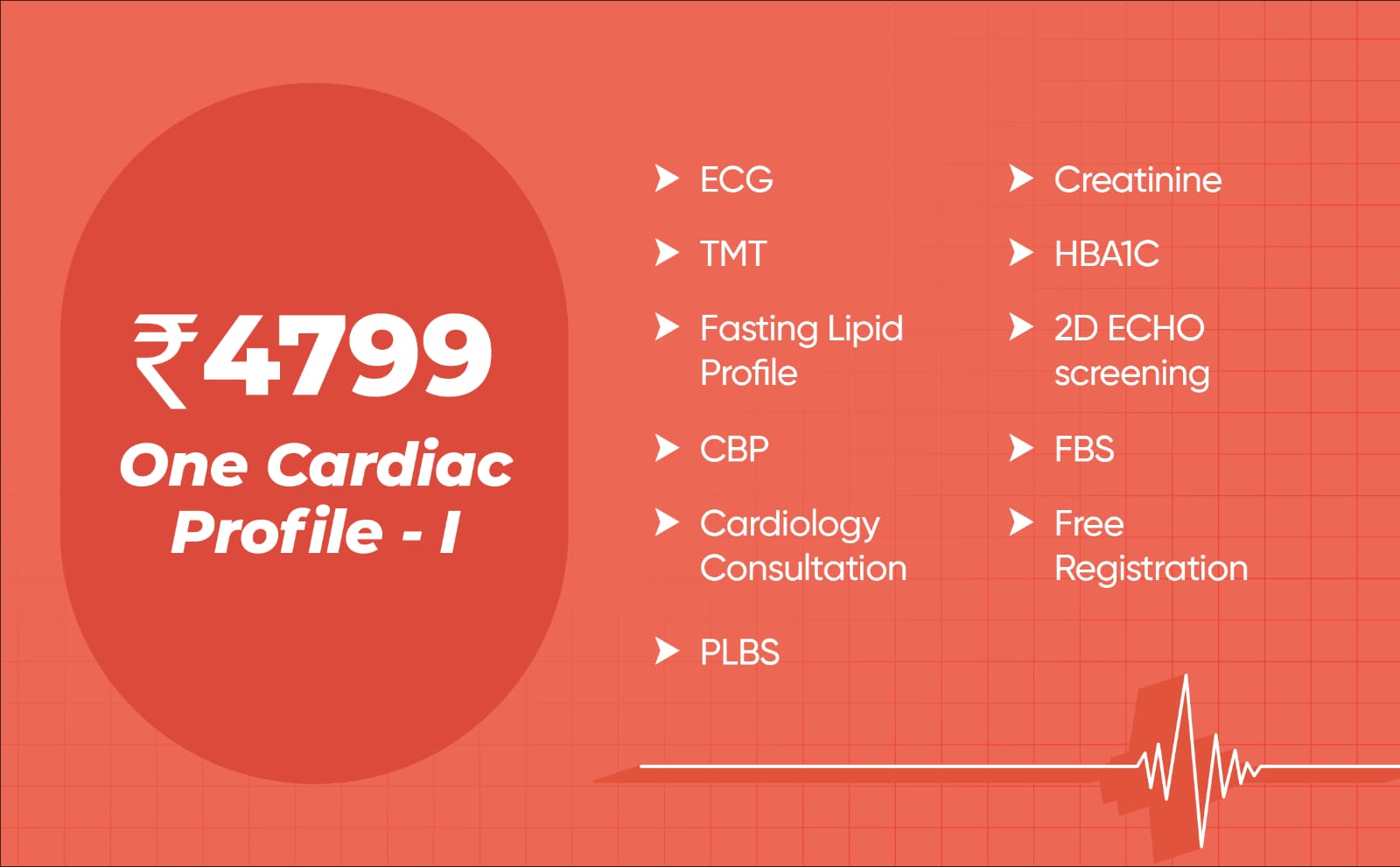
Tightness, heaviness, or burning pain in the chest lasting more than a few minutes.
Discomfort spreading to left arm, shoulder, back, neck, or jaw.
Sudden shortness of breath, especially with chest discomfort or fatigue.
Unexpected sweating, dizziness, or nausea can be early danger signs.
Do not ignore persistent chest pain, breathlessness, or sweating. Call emergency immediately.
Rapid ECG confirms acute changes and activates the heart attack response protocol.
Urgent angioplasty restores blood flow and minimizes heart muscle damage.
Post-procedure monitoring, medicines, and prevention plan for long-term recovery.
Control blood pressure, diabetes and cholesterol, stop tobacco exposure, maintain healthy sleep, and stay physically active. Regular cardiology evaluation helps identify risk early and prevents first or recurrent heart attacks.